Spain's lush Atlantic coast — wild beaches, serious mountain hiking in the Picos de Europa, and an underrated food culture, with none of the mass tourism of the south.
Destination overview
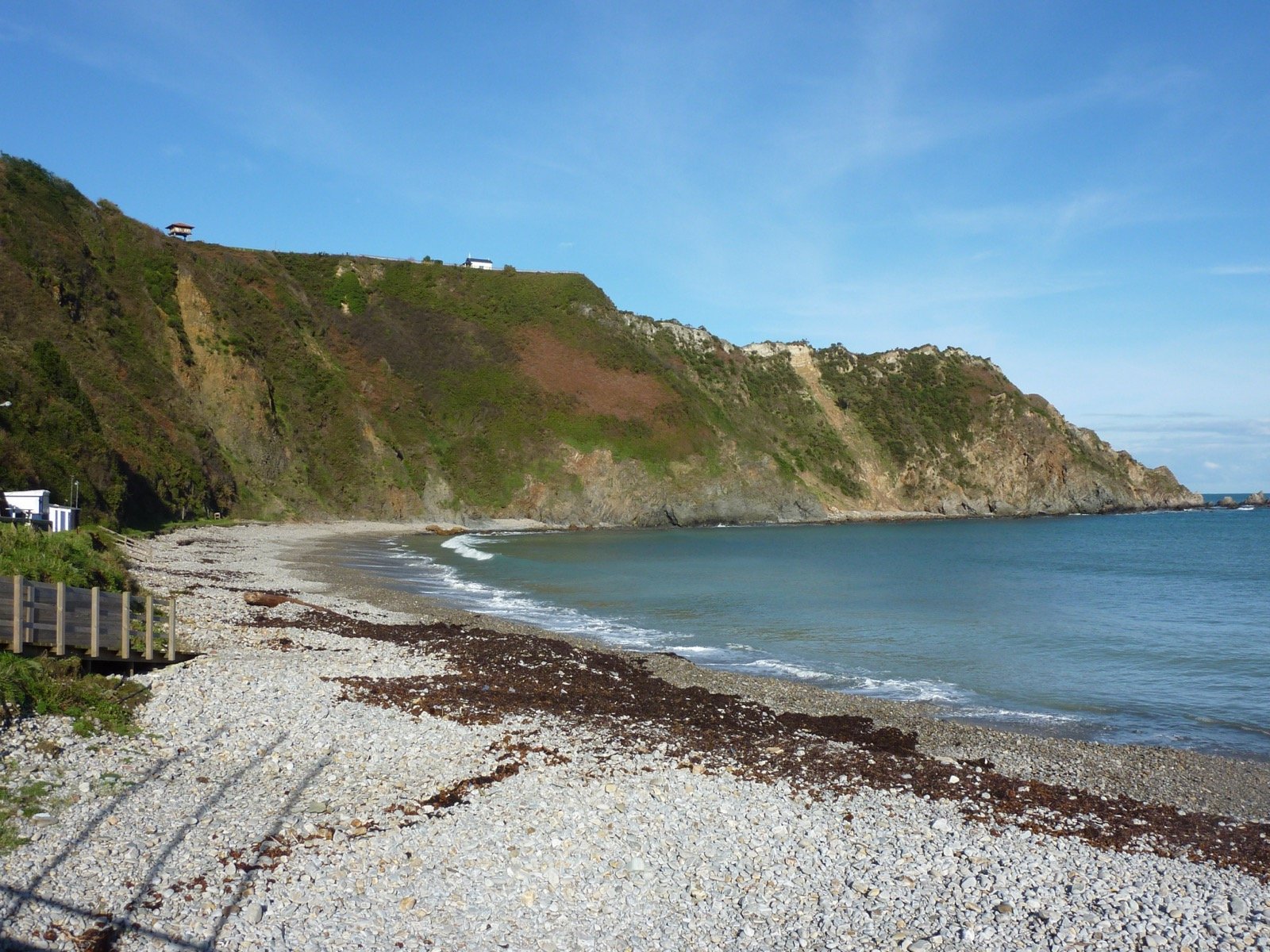
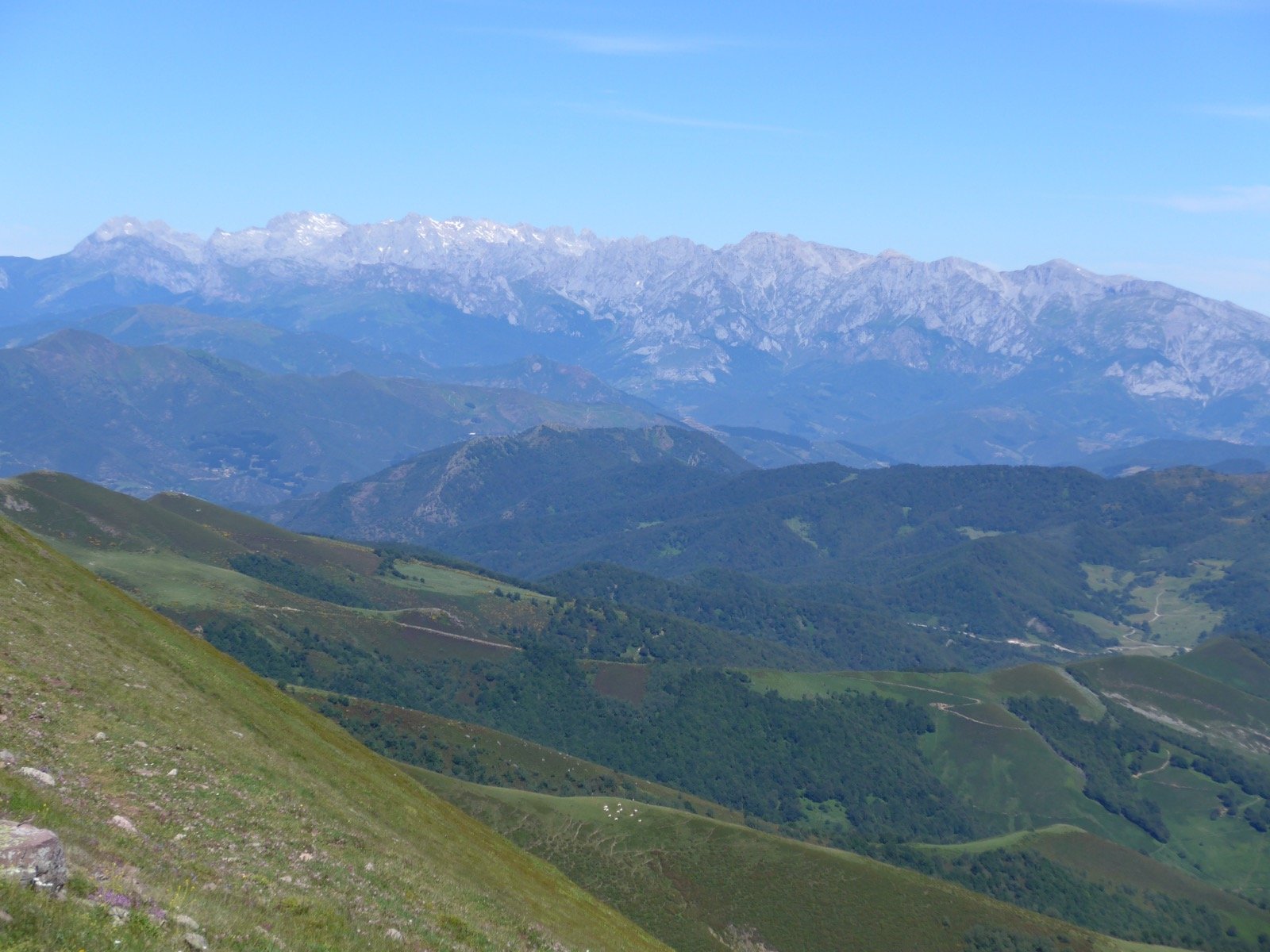
Asturias is the autonomous community immediately west of the Basque Country, stretching along Spain's Bay of Biscay coast. It is greener, wilder, and less touristed than either the Basque Country or Galicia. The coast alternates between dramatic cliffs and long sandy beaches; inland, the Picos de Europa rise abruptly to over 2,600m within 20km of the sea — one of the most dramatic mountain-to-coast contrasts in Europe.
The regional capital is Oviedo (inland, elegant, good food). The coast's main town for this trip is Llanes (eastern coast, spectacular scenery, best hiking access), with the base at Barro — a quieter village 10–15 min west of Llanes.
August weather
Asturias is "Green Spain" (España Verde) — mild (20–24°C on the coast) but ~8–10 days with some precipitation in August, typically short fronts. Carry a rain layer for mountain days. Inland and in the Picos, 15–22°C with afternoon thunderstorm risk at altitude.
Food culture
- Fabada asturiana — White bean and cured meat stew. The signature dish. Rich, hearty, found everywhere.
- Pote asturiano — The greens-forward cousin of fabada — white beans, cabbage, turnip greens, potatoes, and cured meats. Common in rural areas.
- Cider (sidra) — A living culture. The ritual of escanciado — pouring from height into a wide glass to aerate it — happens in every sidrería. A cider house dinner costs €25–35/person.
- Seafood — Percebes (barnacles), navajas (razor clams), centollo (spider crab), merluza (hake). Fish markets in Llanes and Ribadesella are outstanding.
- Cheese — Cabrales (Spain's strongest blue cheese, aged in Picos limestone caves), Afuega'l pitu, and Gamonéu.
- Cachopo — Two large beef fillets around ham and cheese, breaded and fried. A celebration dish.
Places to visit
Beaches
Playa de Gulpiyuri
One of the most unusual beaches in Europe — a tiny cove set in a grassy field, completely cut off from the sea except for a hidden cave tunnel at the base of the cliffs. At high tide, Atlantic waves push through and the pool fills; at low tide it empties to bare sand. Best visited around 10am on Thu 20. Parking fills early in August.
Playa de Torimbia
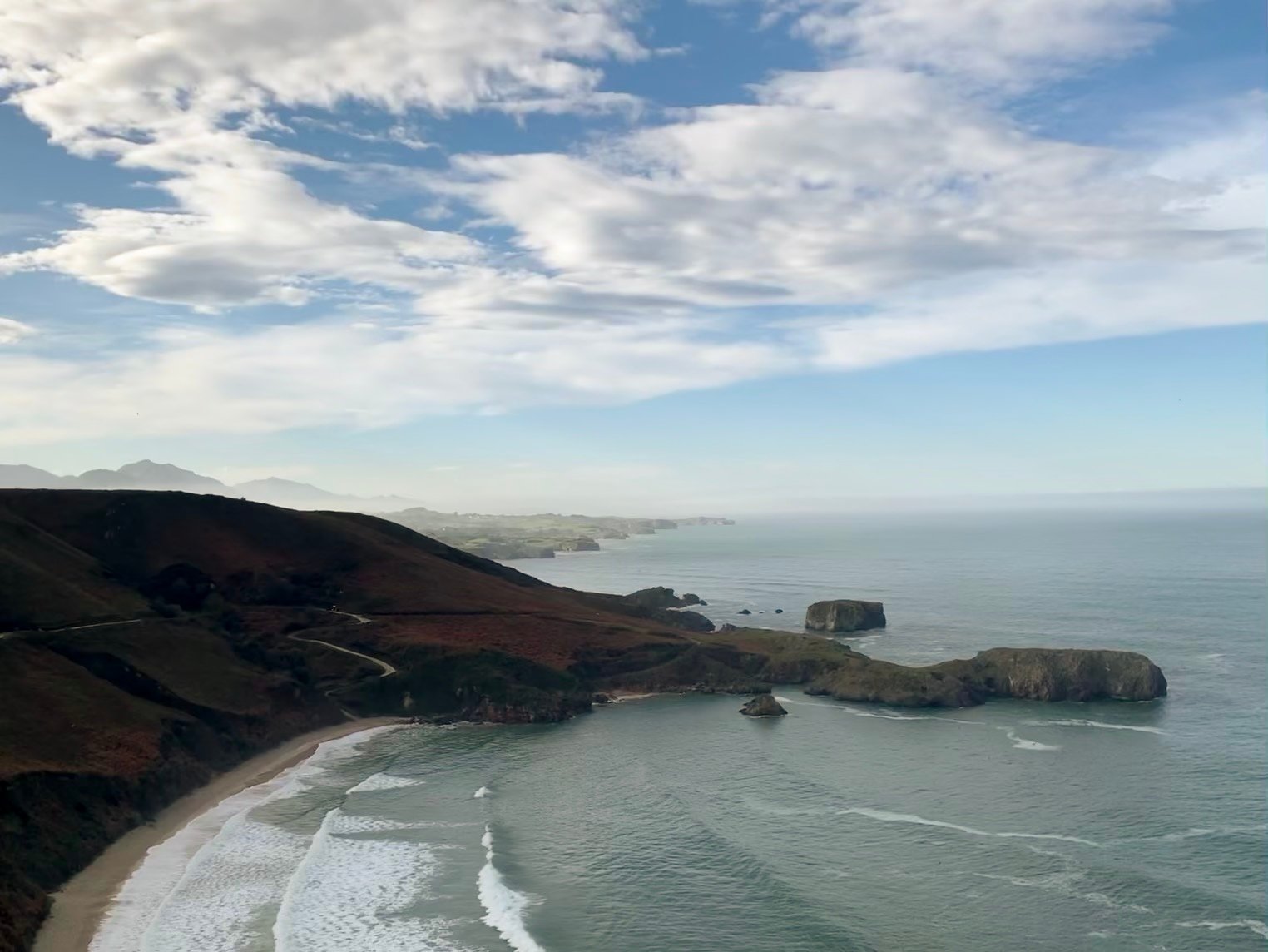
A sweeping, wild crescent cove backed by 100m green cliffs, clothing-optional and largely unspoiled. No road reaches the sand — park at the top and walk down 20 minutes. One of the most beautiful beaches on the entire Cantabrian coast.
Playa de Cuevas del Mar
A beach framed by sea caves and dramatic rock arches carved into red sandstone cliffs. The main draw is the cave walk at low tide, when you can pass through the arches and explore the rock formations. Check tide times before going — the walk is only possible within a couple of hours of low water.
Playa de San Antolín
A long, accessible sandy beach near Llanes with reliable Atlantic surf. Easy parking, no steep walks, good for a relaxed day or a swim after a morning activity.
Playa de Andrín / Playa de Troenzo
Smaller cove beaches east of Llanes reached via the Senda Costera cliff path — dramatic approach through green headlands with Atlantic swell below. Part of a 8–12km round-trip coastal walk (easy-moderate, ~3h).
Seaside Towns
Llanes
The main coastal town for the trip, 10 minutes from the Barro base. Medieval walls, a fortified harbour, and the famous cubos de la memoria — painted concrete cubes lining the harbour wall. Good fish restaurants on the waterfront and the natural anchor for coastal days. Try merluza a la sidra and percebes at the harbour.
Ribadesella
A beautiful estuary town 45 minutes east of Barro, where the Sella river meets the sea. Long sandy beach on one side, a working fishing harbour on the other. Home to the Cueva de Tito Bustillo — one of Spain's great Palaeolithic cave art sites (book ahead, limited daily entry).
Lastres
A steep-stacked fishing village 1 hour west, built up dramatic cliffs above a small harbour. Best seafood restaurants in the area — the kind of place that looks exactly as a northern Spanish fishing village should. Worth the drive for lunch or dinner.
Cities
Oviedo
The Asturian regional capital, 45 minutes from Barro. Elegant, walkable, and home to some of the oldest Christian architecture in Europe. The Gothic Cathedral's Cámara Santa holds pre-Romanesque relics and the Cross of Angels. The arcaded Plaza del Fontán and covered market are ideal for buying local produce — Cabrales, Gamonéu, smoked chorizos. Good restaurant value compared to the coast.
Bilbao
The Basque capital, 2.5 hours east — arrival and departure point for the trip. The Guggenheim museum (book timed entry in advance) is a genuine architectural landmark; allow 2–2.5 hours inside. The Casco Viejo old town is the place for the classic Bilbao pintxos bar-hop at lunch. The Nervión riverfront ties it all together.
Mountain Villages
Bulnes
A car-free village in the heart of the Picos de Europa, reachable only by underground funicular from Poncebos (€8 return, ~8 min). Around 40 permanent residents. Split into two parts — La Villa (upper) and El Castillo (lower) — connected by a short path. The funicular queue can be long; arrive at Poncebos by 8:30am.
Sotres
The highest permanently inhabited village in Asturias at ~1,050m — a genuine working mountain settlement with stone houses, shepherds, and Cabrales cheese made at the source. No funicular, no coach parties. Access via a narrow single-track mountain road from Arenas de Cabrales through Tielve (~40 min, requires a confident driver). Views deep into the eastern Picos massif.
Asiegu
A tiny, largely forgotten hilltop village in the Cabrales municipality — accessible by a scenic mountain road from Arenas de Cabrales (~20 min). Stone houses, old hórreos (granaries on stilts), sweeping views across the eastern Picos. No tour coaches, no queues. Good for a quiet morning walk in the high meadows before heading down to Arenas for Cabrales cheese.
Arenas de Cabrales
The main village of the Cabrales valley and the best place to buy Cabrales blue cheese — Spain's strongest, aged in Picos limestone caves. Good stop on any Picos day. The village sits at the junction of the roads to Poncebos (Bulnes), Tielve (Sotres), and the Cares Gorge.
Cangas de Onís
The western gateway to the Picos de Europa, ~50 minutes from Barro. Famous for its arched medieval bridge over the Sella river and as the starting point for trips to Covadonga and the glacial lakes. Good restaurants, pleasant river valley walks, and a more relaxed pace than the mountain trailheads.
Hikes & Natural Landmarks
Senda Costera (Llanes coast path)
Cliff-top walking path east of Llanes connecting coves and headlands above the Atlantic. 8–12km round trip to Playa de Andrín or Playa de Troenzo, easy-moderate, ~3 hours. Green headlands, Atlantic swell below, no crowds.
Bufones de Pria
Natural blowholes on the clifftop east of Llanes — sea caves eroded through the rock that shoot jets of water and spray when Atlantic swell is running. A 30–45 minute stop, dramatic in rougher conditions. Wave height of 1–1.5m is enough to get the blowholes active.
Pandébano (above Bulnes)
A 1.5-hour hike from Bulnes upper village (400m ascent) to a high col with direct views of the Naranjo de Bulnes (Picu Urriellu) — the iconic 2,519m orange limestone tower that defines the central Picos. Turn back at Pandébano or continue ~1 more hour toward the base of the peak.
Cares Gorge (Garganta del Cares)
One of Spain's great walks — 12km of path blasted into vertical limestone walls 500m above the turquoise Cares river. Genuinely spectacular scenery unlike anything in Central Europe. Crowded from the Poncebos end (2,000+ people/day in August); start from the Caín end on the León side for a fraction of the traffic, or from Poncebos very early (by 7:30am).
Lagos de Covadonga
Two glacial lakes — Enol and Ercina — at 1,100m altitude, surrounded by the Picos massif. A 2-hour easy-moderate circuit links both lakes with wide views. In August the access road is often closed to private cars in peak hours — check restrictions and use the shuttle bus from Covadonga if needed.
Historic & Cultural Sites
Santa María del Naranco + San Miguel de Lillo
Two pre-Romanesque buildings from 842 AD on a hillside above Oviedo — the finest 9th-century architecture in Spain. Naranco was originally a royal hall; its open loggias and views over the city and mountains are striking. Lillo has outstanding carved stonework. Both are UNESCO World Heritage sites. Allow 1.5–2 hours; 10 minutes by car from Oviedo centre.
Covadonga
A pink neo-Romanesque basilica built into a cliff face above a sacred cave — the site of the 722 Battle of Covadonga, the symbolic beginning of the Reconquista. One of the most visited sites in northern Spain but manageable on a weekday. The cave shrine below the basilica is the spiritual heart of Asturian identity. 30–45 minutes to explore.
Cueva de Tito Bustillo (Ribadesella)
One of Spain's most important Palaeolithic cave art sites, with paintings dating to 35,000–10,000 BC. Limited daily entry — book ahead online before the trip. If you can only visit one cave art site in northern Spain, this is the one.
Guggenheim Bilbao
Frank Gehry's titanium-clad museum on the Nervión riverfront is one of the most significant buildings of the 20th century — worth visiting for the architecture alone. Strong permanent collection plus major temporary exhibitions. Book timed entry in advance at guggenheim-bilbao.eus; ~€16/person; allow 2–2.5 hours inside.
Practical notes
- Picos parking (Bulnes day — Fri 21): Arrive at Poncebos by 8:30am — car park fills by 10am in August.
- Gulpiyuri (Thu 20): Parking fills early — arrive before 10am. Best at high tide (10:21 AM).
- Cuevas del Mar (Thu 20): Cave walk only accessible at low tide. Thursday PM low is 4:40 PM.
- Naranco/Lillo (Sat 22): Open on Saturdays, no closure concern.
- Covadonga Lakes road (Mon 24): Often closed to private cars in peak hours in August — check restrictions; shuttle bus available from Covadonga.
- Guggenheim: Book timed entry in advance at guggenheim-bilbao.eus — summer queues without a ticket can be 1h+.
- Cider ordering: In a sidrería, order bottles not glasses. Pour from height; drink immediately; small amounts each time. 2–3 bottles for four people (€5–7/bottle).
- Language: Spanish and Asturian. English spoken in tourist areas; some Spanish is helpful in villages.